

First Responder Therapy
MENTAL HEALTH SUPPORT FOR FIRST RESPONDERS, VETERANS, & CORRECTIONAL OFFICERS
Working in a high-stress or high-risk profession can have an impact that extends well beyond the workplace. First responders, veterans, and correctional officers may experience repeated exposure to trauma, high-pressure situations, violence, loss, responsibility for others, and environments where staying alert is essential.
Over time, these experiences can affect sleep, relationships, mood, stress levels, and your ability to feel relaxed or connected when you are off duty.
At The Thought Centre, we provide therapy for first responders, veterans, and correctional officers. Our approach is trauma-informed, evidence-based, practical, and collaborative.
You do not need to be in crisis or have a formal diagnosis to reach out for support.
When the Job Starts to Follow You Home

You may be accustomed to managing difficult situations, remaining calm under pressure, and putting your own needs aside to help others.
Sometimes, however, the strategies that help you function in demanding environments can make it difficult to switch off when you are home.
You may notice:
Feeling constantly on edge or “switched on”
Difficulty relaxing or feeling safe when you are off duty
Intrusive memories or images of difficult experiences
Nightmares or disrupted sleep
Irritability, anger, or a shorter fuse
Feeling emotionally numb or disconnected
Avoiding people, places, or situations that remind you of difficult experiences
Anxiety, panic, or persistent worry
Difficulty concentrating
Feeling constantly alert to potential danger
Increased use of alcohol or other substances to unwind or sleep
Feeling disconnected from your partner, children, friends, or family
Difficulty talking about what you have experienced
Guilt, shame, or regret related to something that happened
Grief following the death or serious injury of a colleague, fellow service member, or member of the public
Feeling exhausted or emotionally overwhelmed
Difficulty adjusting to life after leaving a role, deployment, or career
Feeling like you are no longer yourself
Sometimes the impact of occupational stress or trauma is obvious. Other times, it builds gradually over months or years.
You do not need to have PTSD or another mental health diagnosis to benefit from therapy.
Who We Support
We provide mental health support to individuals whose work or service involves high levels of responsibility, stress, risk, or exposure to difficult experiences.
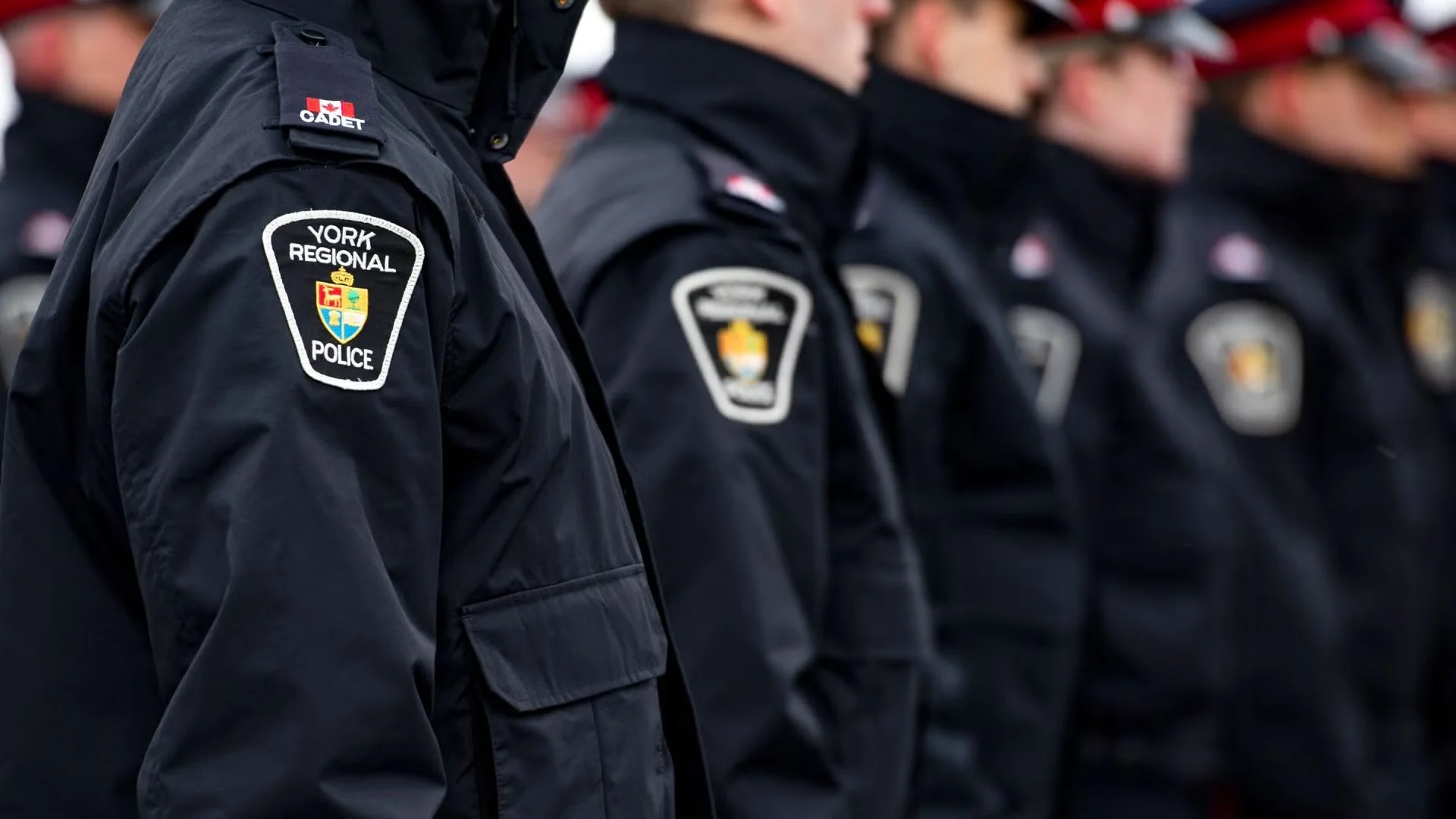
First Responders
We support police officers, firefighters, paramedics, emergency medical responders, 911 dispatchers, and other emergency professionals who may be experiencing trauma, occupational stress, anxiety, anger, sleep difficulties, relationship challenges, or difficulty switching off after work.
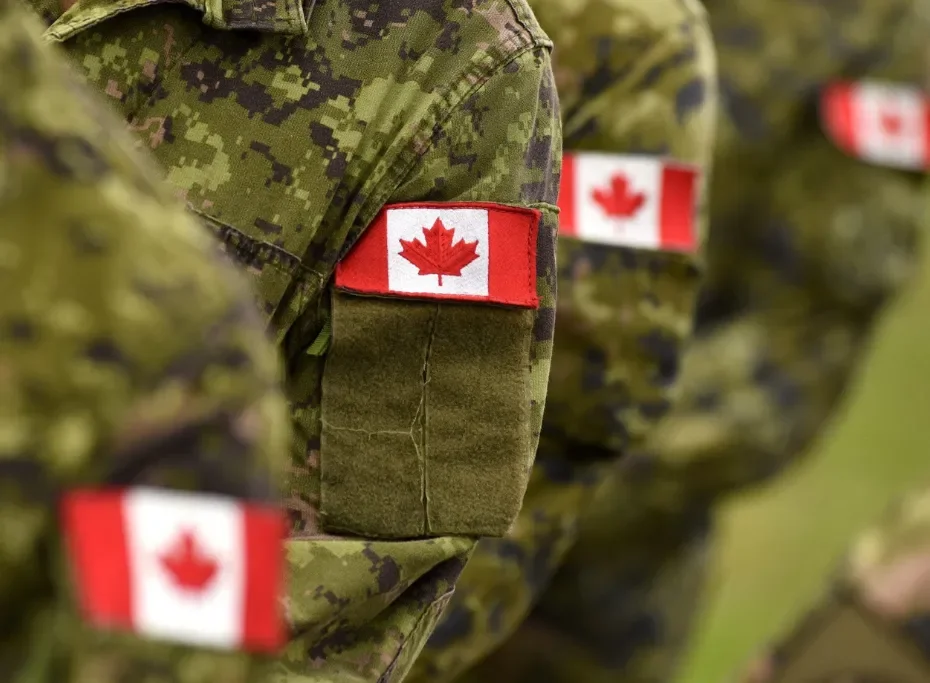
Veterans & Military Personnel
We work with veterans and current or former military personnel who may be navigating the effects of deployment, operational experiences, trauma, loss, transition to civilian life, changes in identity, or challenges adjusting to life after service.
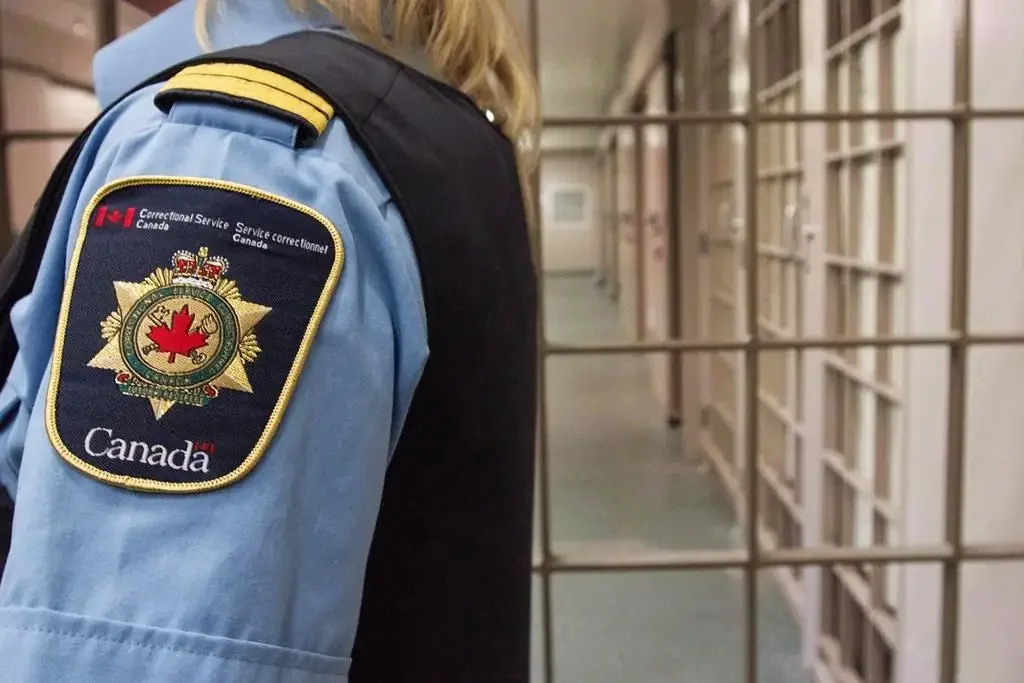
Correctional Officers
We support correctional officers and other correctional professionals who may be dealing with chronic occupational stress, exposure to violence or threats, hypervigilance, burnout, anger, emotional exhaustion, sleep difficulties, or challenges transitioning between work and home.
Support Beyond the Workplace
The impact of high-stress work or service can extend into relationships, family life, and everyday functioning. We also support individuals who are struggling with anxiety, depression, PTSD, grief, emotional regulation, relationship difficulties, or other concerns that may be connected to their occupational or service experiences.
What Can Therapy Help With?
We recognize that seeking mental health support can feel different when you are accustomed to being the person others rely on during difficult situations.
Our approach is direct, practical, and collaborative. Therapy does not have to mean sitting in a room talking about your feelings without a clear purpose.
We work with you to understand what is happening, identify what you want to change, and develop evidence-based strategies that can be applied to your life both on and off the job.
Our clinicians have experience working with trauma and complex mental health concerns, including PTSD, anxiety, depression, grief, anger, emotional regulation, and occupational stress.
-
Repeated exposure to traumatic events can affect how your brain and body respond to stress. You may find yourself reacting strongly to situations that previously would not have bothered you, or you may feel disconnected from experiences that once mattered to you.
For some individuals, these experiences may contribute to Post-Traumatic Stress Disorder (PTSD). Others may experience trauma-related symptoms without meeting the criteria for PTSD.
Therapy can help you understand trauma responses, process difficult experiences, and develop strategies to manage symptoms.
Where clinically appropriate, evidence-based trauma therapies such as Cognitive Processing Therapy (CPT) and Prolonged Exposure (PE) may be considered.
Treatment is collaborative and tailored to your needs. You will not be pressured to disclose more than you are ready to discuss.
-
When you spend your working life managing high-pressure situations, anger and irritability can sometimes become difficult to switch off.
You may notice that you have a shorter fuse at home, become frustrated more easily, or react more strongly than you would like.
Anger can be connected to accumulated stress, trauma, sleep difficulties, grief, or feeling overwhelmed.
Therapy can help you understand what is driving these reactions and develop practical strategies for managing anger and emotional responses while maintaining the qualities that help you function effectively.
-
After spending years in environments where being alert is necessary, your body may continue to operate as though you are still on duty, even when you are home.
You may have trouble falling asleep, staying asleep, winding down after a shift, or feeling comfortable in situations without an immediate threat.
Therapy can help you understand these patterns and develop strategies for managing chronic stress, hypervigilance, and sleep-related difficulties.
-
High-stress work can affect relationships with partners, children, family, and friends.
Shift work, deployment, occupational stress, traumatic experiences, emotional exhaustion, and difficulty switching off can make it harder to be present at home.
You may find yourself withdrawing from others, becoming more easily frustrated, or feeling that people outside your profession do not understand what you have experienced.
Therapy can help you strengthen communication, manage conflict, rebuild connection, and develop a healthier balance between your professional experiences and personal life.
Couples or family therapy may also be appropriate when occupational stress or trauma is affecting the broader family.
-
Leaving a high-intensity career, retiring, transitioning out of the military, or changing roles can bring its own challenges.
A career may have provided structure, purpose, identity, community, and a strong sense of belonging. Moving into a different stage of life can sometimes leave you feeling disconnected or uncertain about what comes next.
Therapy can support transitions related to:
Retirement
Transition from military to civilian life
Career changes
Returning from deployment
Changes in physical or emotional functioning
Loss of professional identity
Changes in relationships and family roles
Developing a new sense of purpose
-
We understand that privacy and trust are particularly important when seeking mental health support.
Therapy at The Thought Centre is confidential, with the usual legal and professional limits to confidentiality discussed with you at the beginning of treatment.
Our goal is to provide a space where you can speak openly about your experiences without judgment and without having to minimize what you have been through.

You Have Spent Your Career Showing Up for Others. It Is Okay to Ask for Support.
Whether you are dealing with a difficult call, accumulated occupational stress, trauma, PTSD symptoms, anger, anxiety, relationship difficulties, the effects of military service, or the transition out of a high-intensity career, you do not have to handle it alone.
You do not have to wait until things become unmanageable.
Why Choose The Thought Centre?
-
Our clinicians use established psychological treatments and evidence-based strategies tailored to your individual concerns.
-
We understand the ways traumatic experiences and chronic occupational stress can affect emotions, relationships, behaviour, sleep, and overall functioning.
-
We work with you to develop strategies that are useful in your actual life, not just during therapy sessions.
-
Our clinicians have experience working with trauma, PTSD, anxiety, depression, grief, anger, and complex mental health concerns, including individuals from high-stress occupational environments.
-
We offer in-person therapy at our Richmond Hill office and virtual therapy across Ontario, making support more accessible around demanding schedules and shift work.
The Thought Centre provides confidential, evidence-based therapy for first responders, veterans, correctional officers, and others working in high-stress environments from our Richmond Hill office and virtually throughout Ontario.